

2027 Zhupanova River Float
August 19–25, 2027
$10,500 per angler
Limited to 8 anglers
A Kamchatka Original. A River of Extraordinary Rainbow Trout.
The Zhupanova is one of the great wild trout rivers of the world. It is the river that first introduced Kamchatka to serious international fly anglers, and for good reason. Its extraordinary population of large, native rainbow trout, spectacular wilderness setting, and remarkable variety of water make it a destination unlike any other.
I first fished the Zhupanova in 1997, guiding the river in 1997 and 1998. It was an introduction to a fishery that would become a major part of my life in Kamchatka. The river has a well-earned reputation for producing some of the largest wild rainbow trout an angler can encounter, but the fishing is only part of the story.
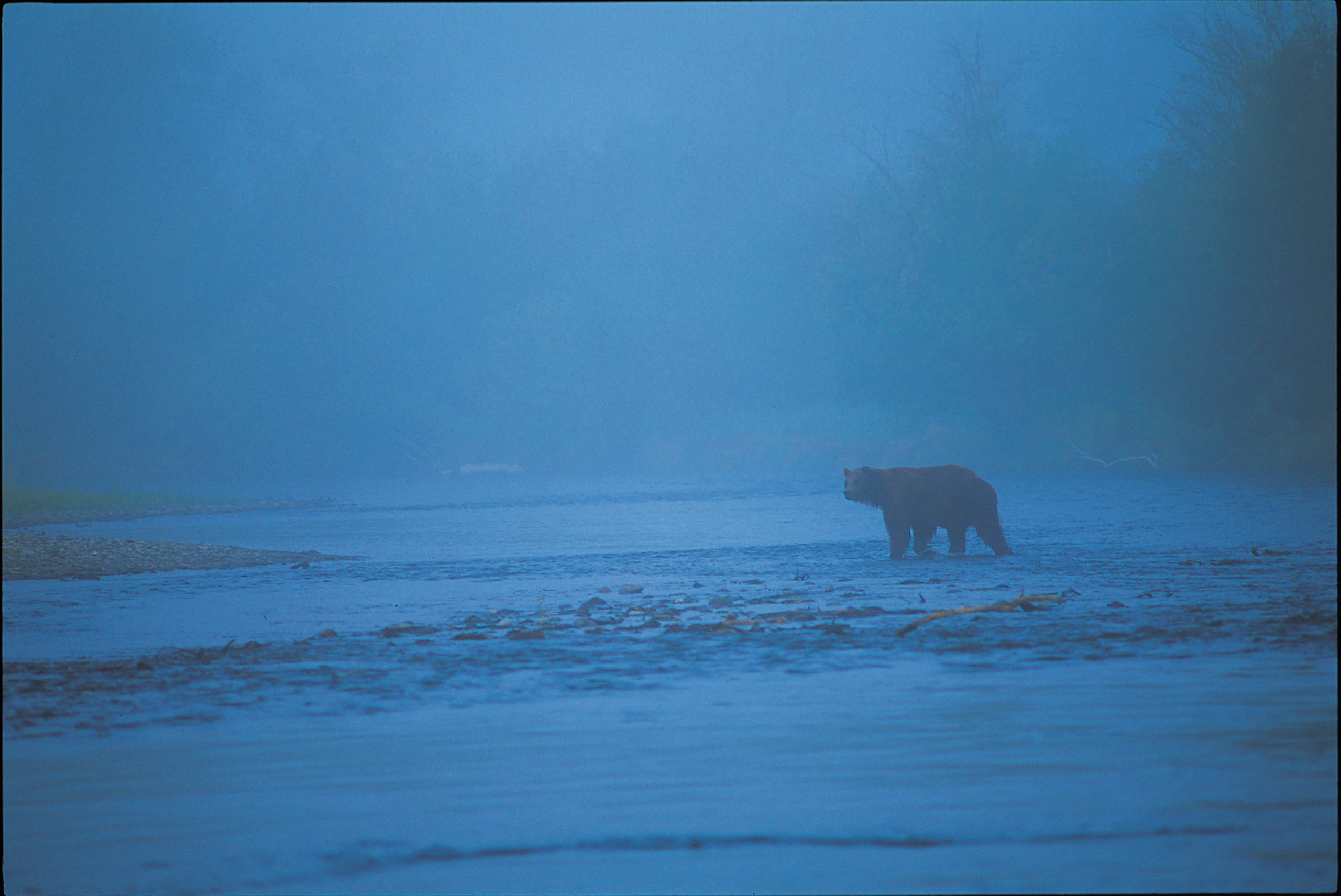
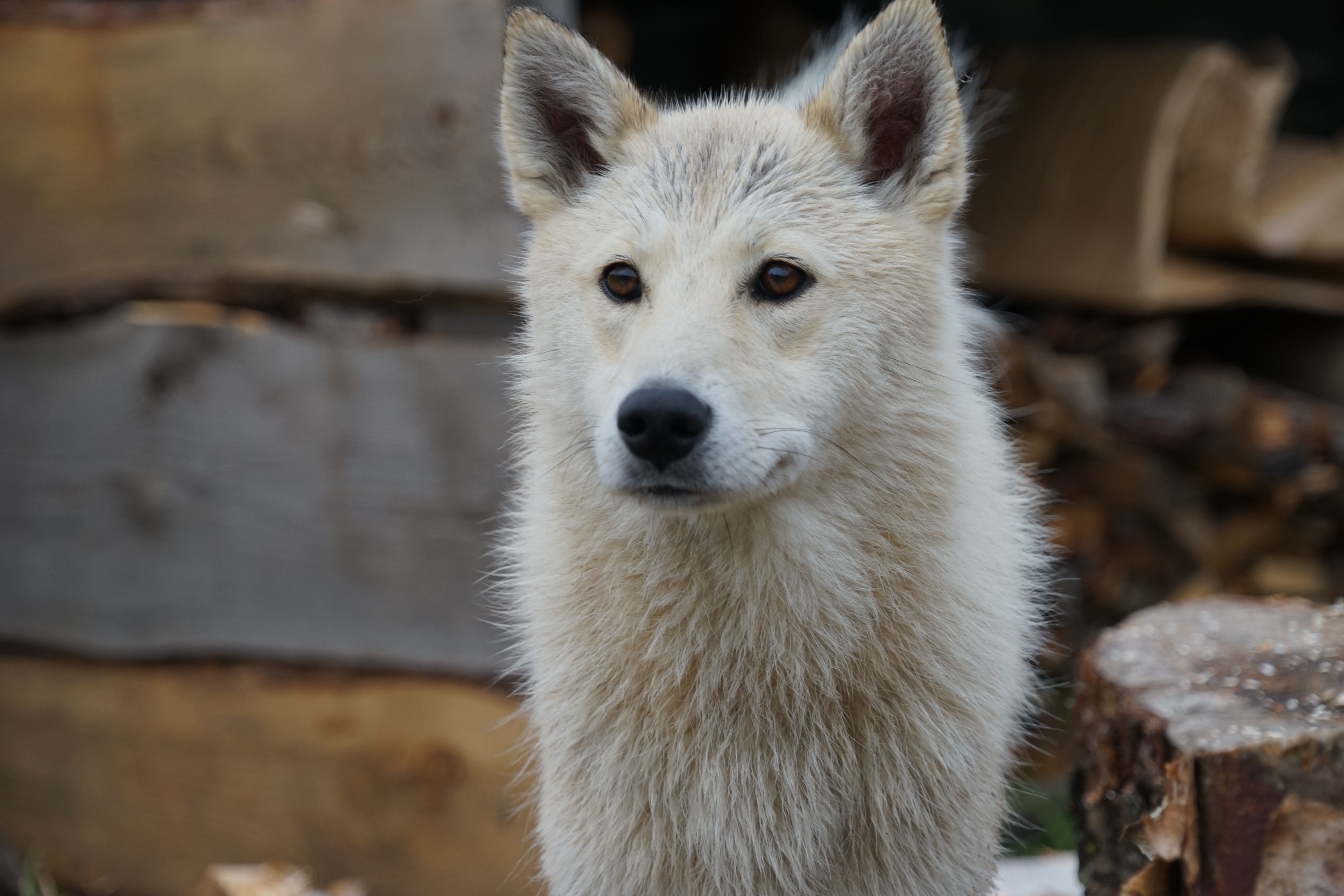
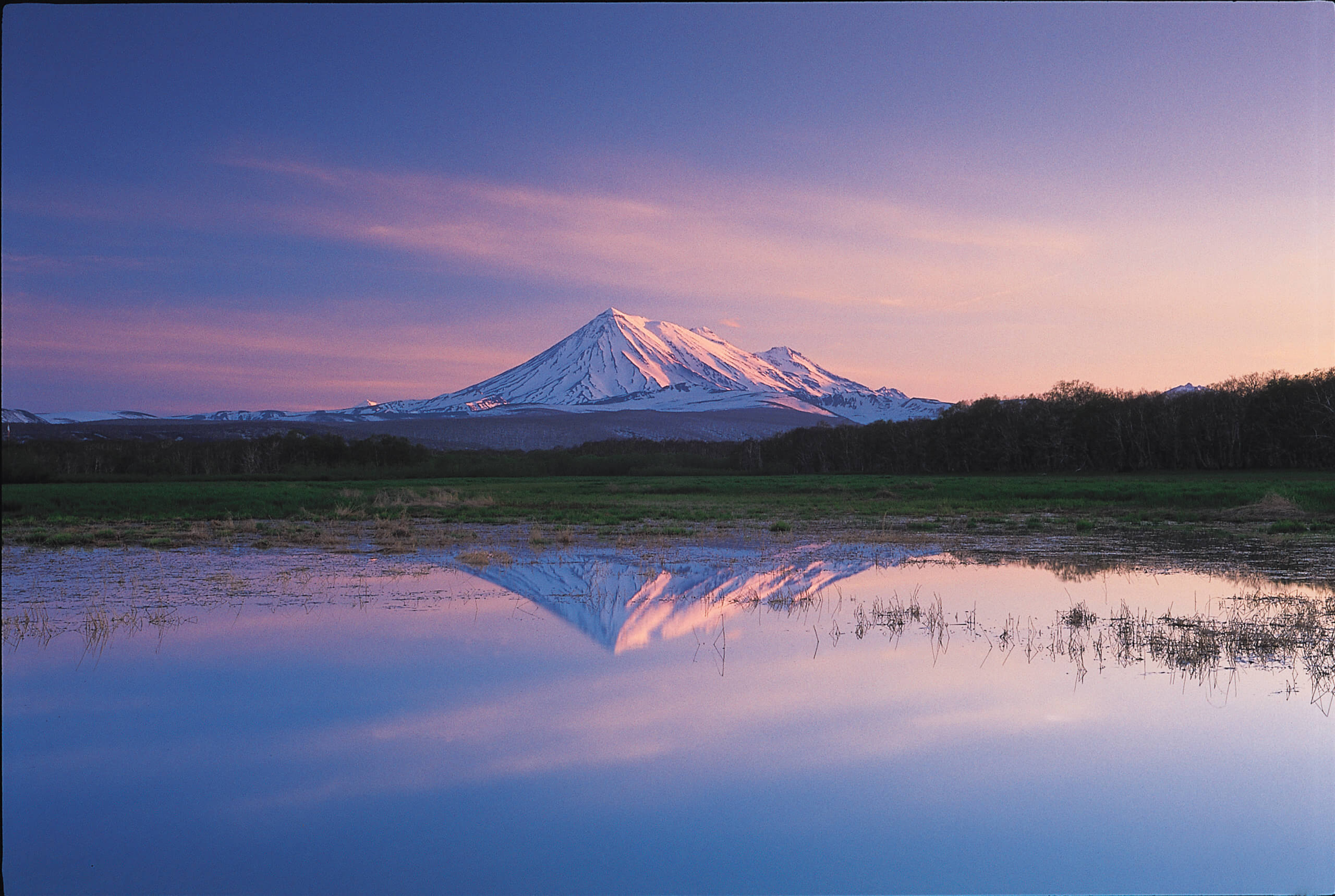
The Zhupanova begins in a remote landscape of snow-covered mountains, active volcanoes, rolling tundra, and ancient birch and pine forests. As it works toward the Pacific, the river changes character repeatedly, moving through open valleys, wooded stretches, and steep canyon country. Wildlife is abundant, and encounters with Kamchatka brown bears along the river are not unusual.
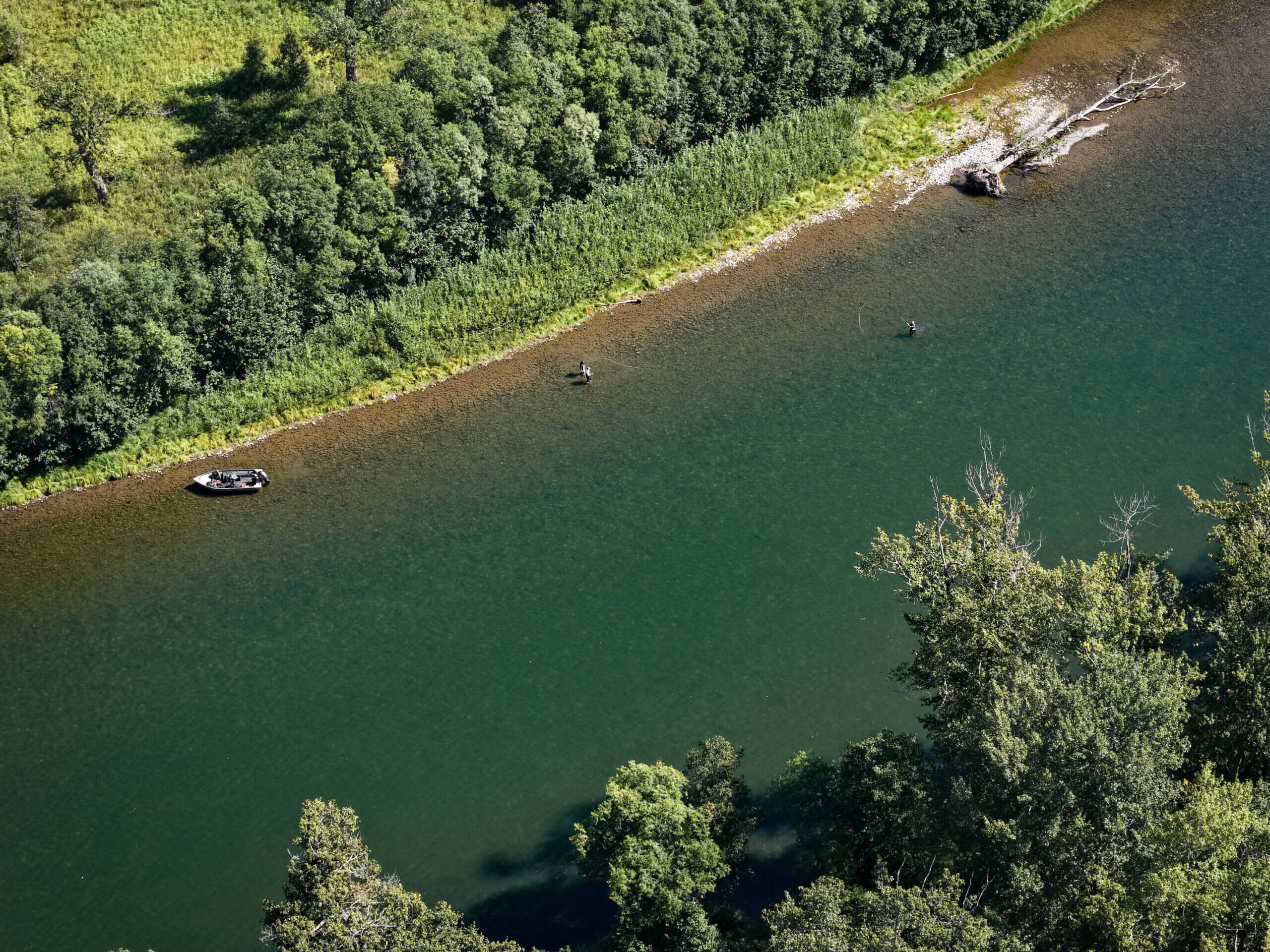
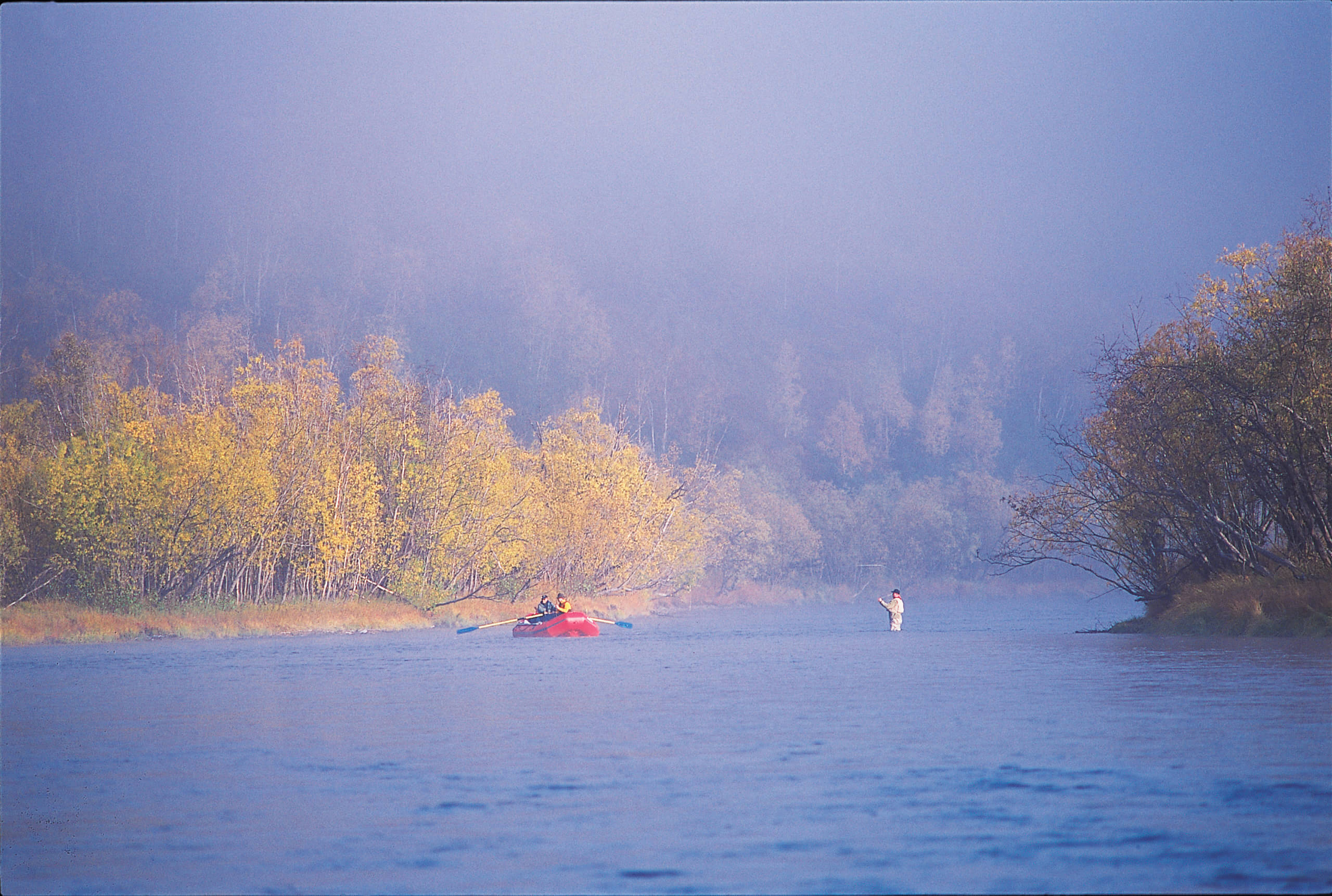
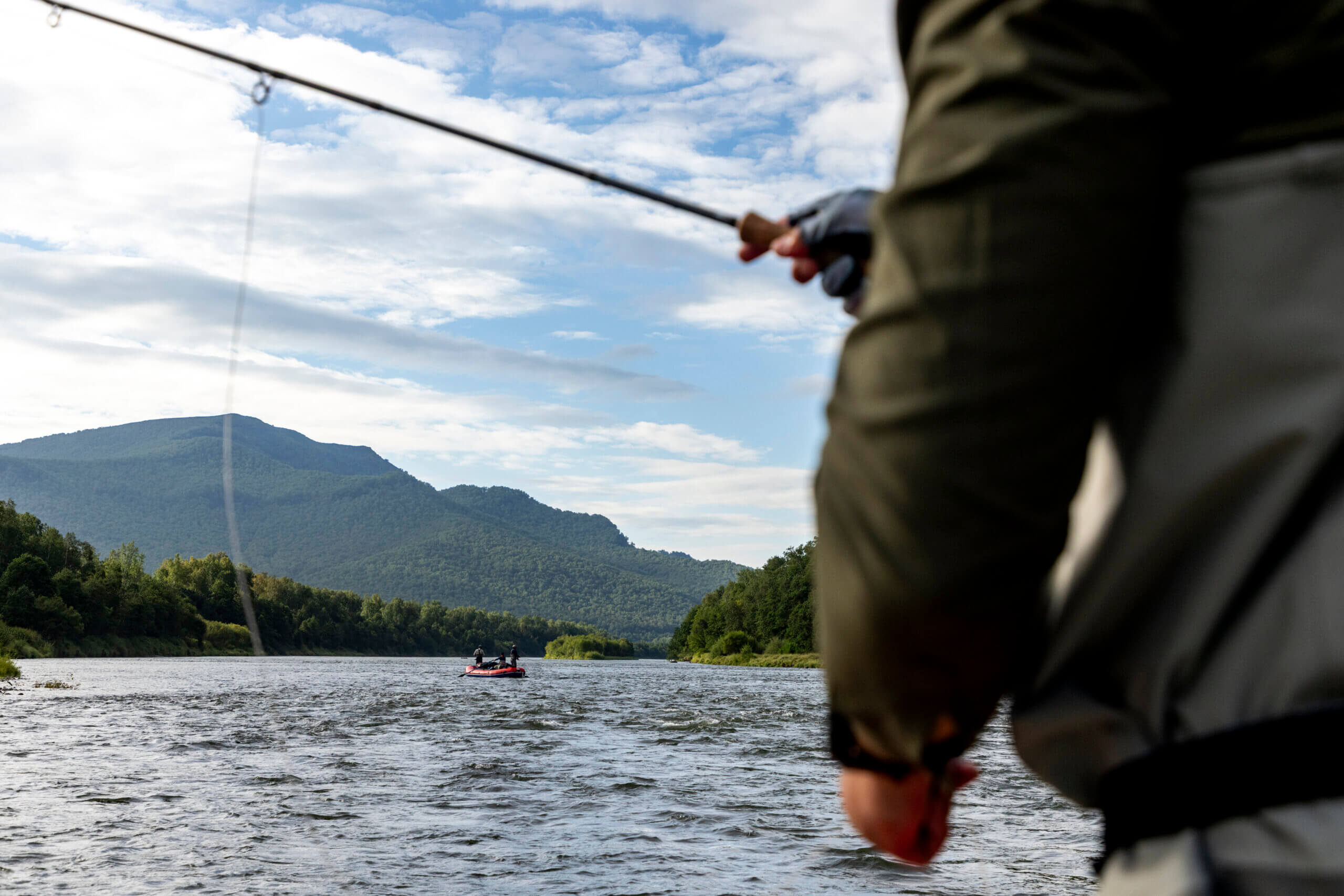
The float covers approximately 48 miles of exceptional trout water. Each day brings a new stretch of river, new water to explore, and the opportunity to find fish that see very little angling pressure.
The Fishing
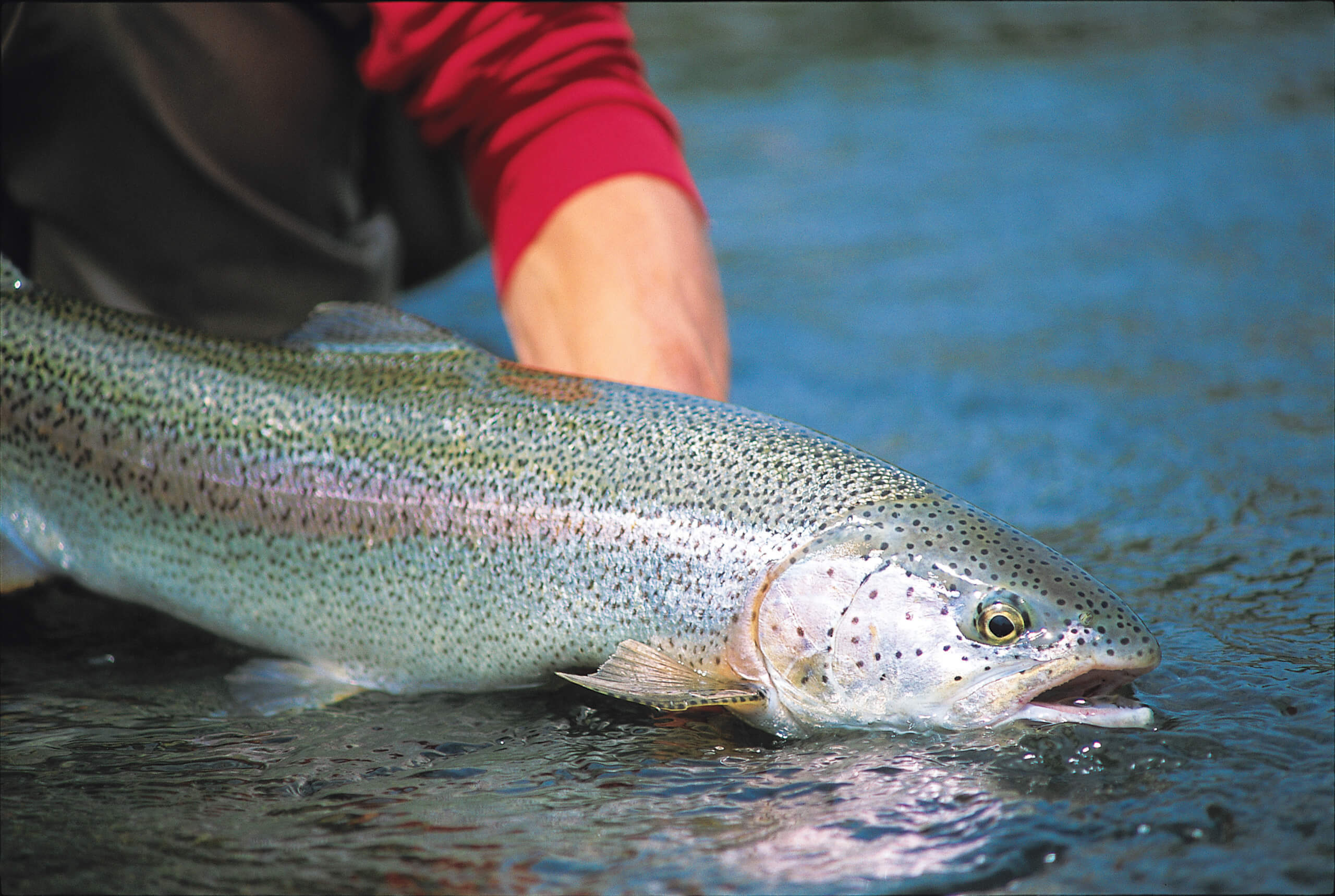
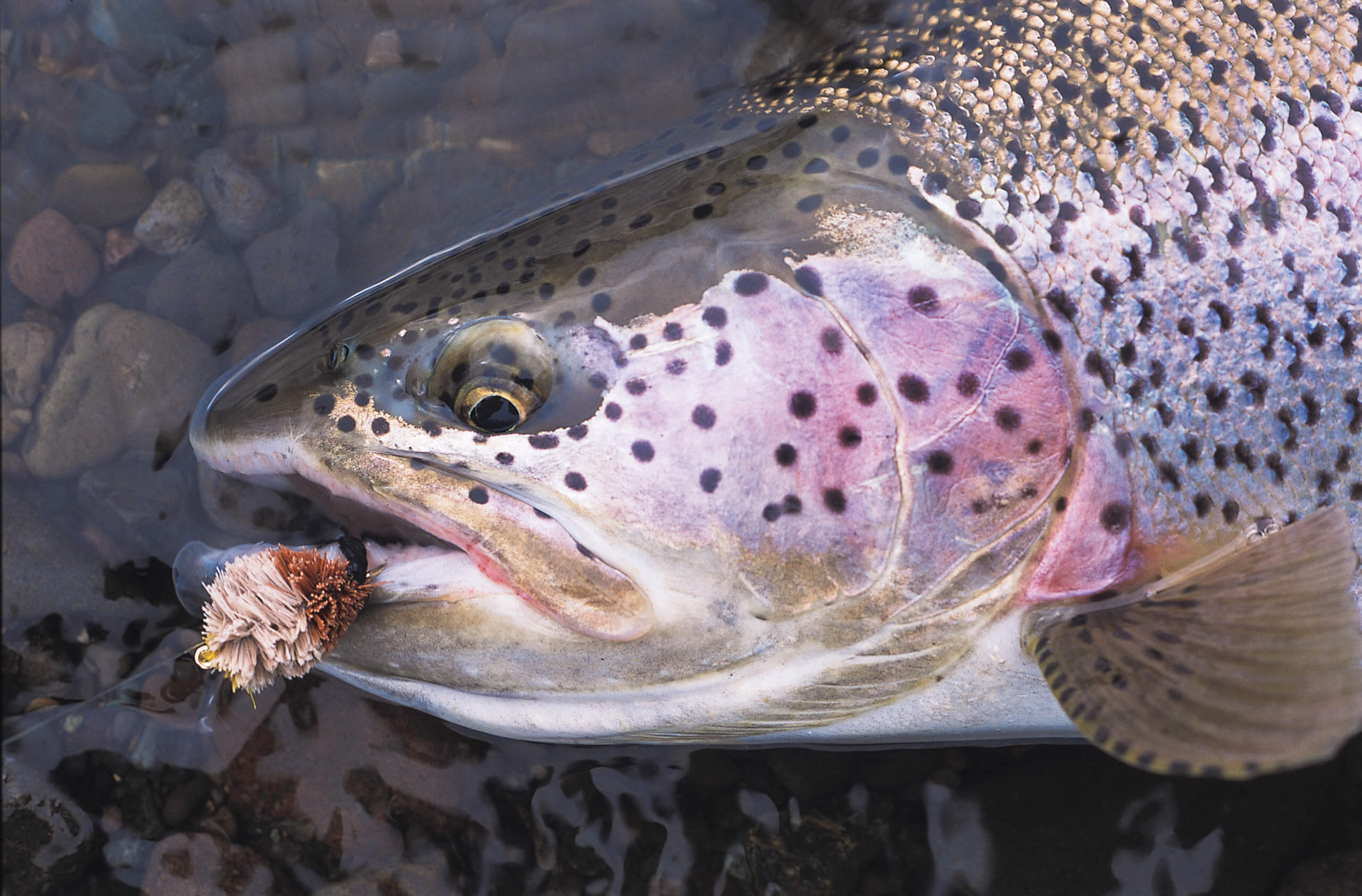
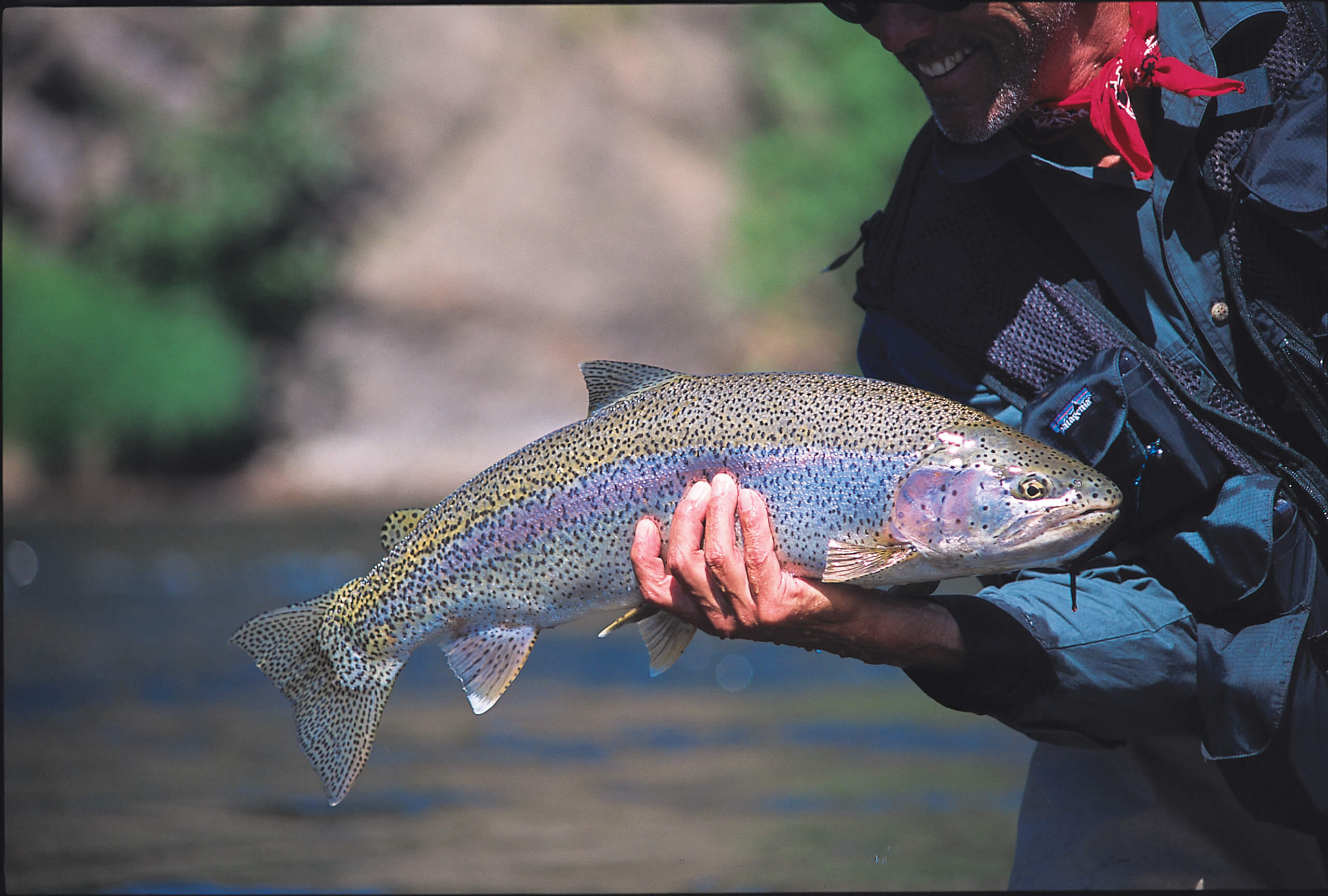
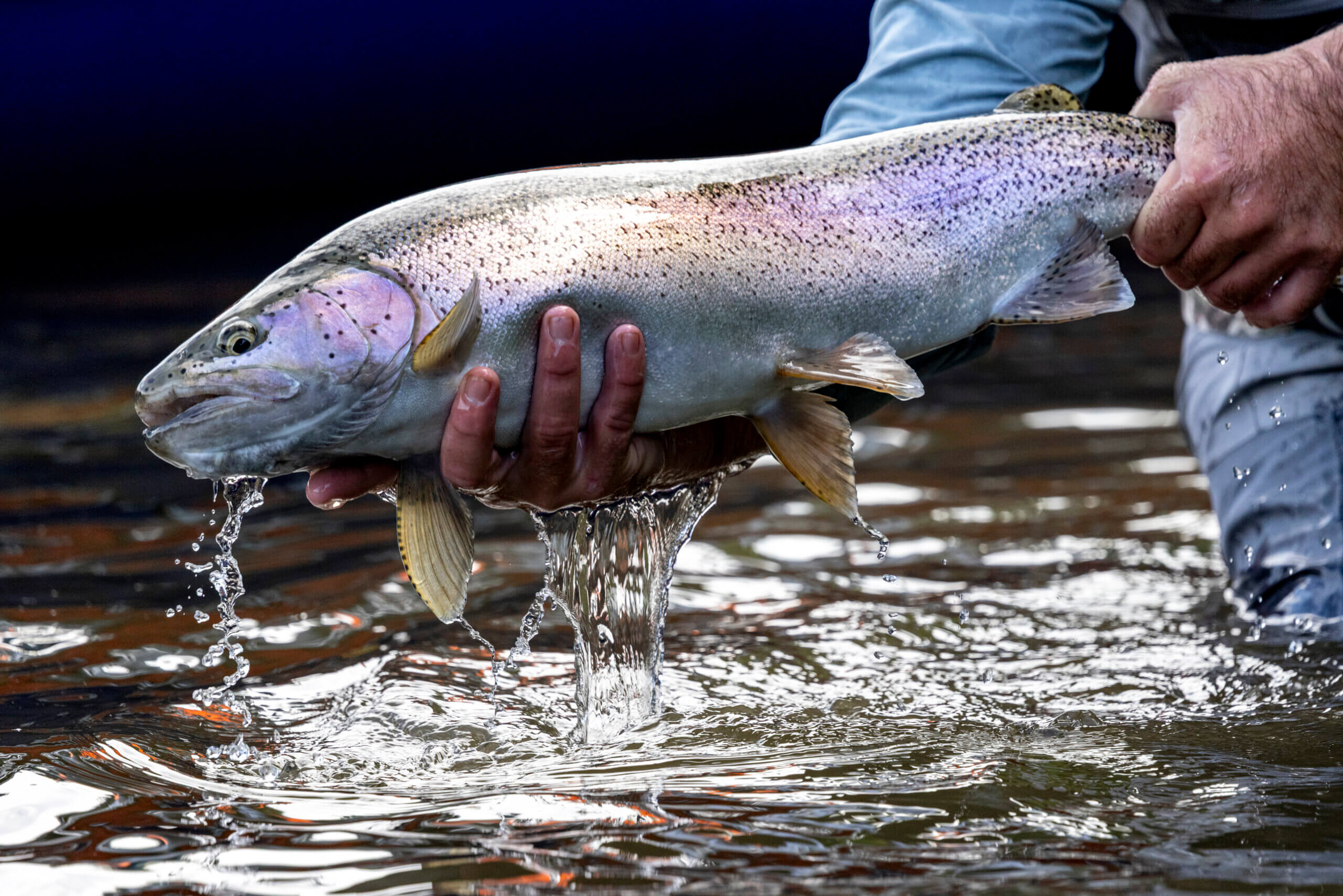
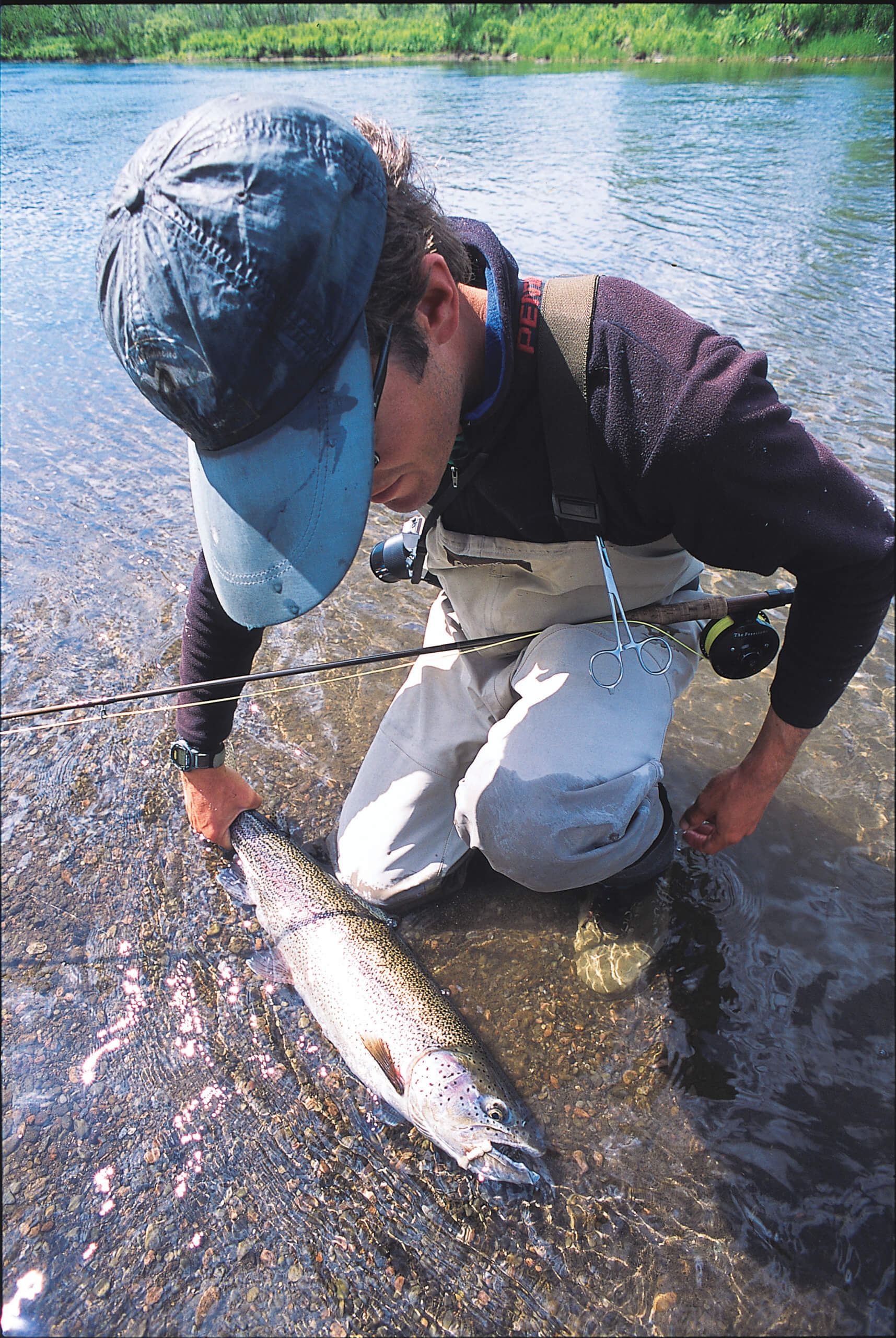
The Zhupanova is best known for its rainbow trout. These are large, wild, river-resident fish, with many measuring in the 24- to 28-inch range and fish over 30 inches regularly encountered. They are an unusually robust population of native rainbows, capable of reaching impressive sizes and possessing the strength and aggression that make Kamchatka fishing so distinctive.
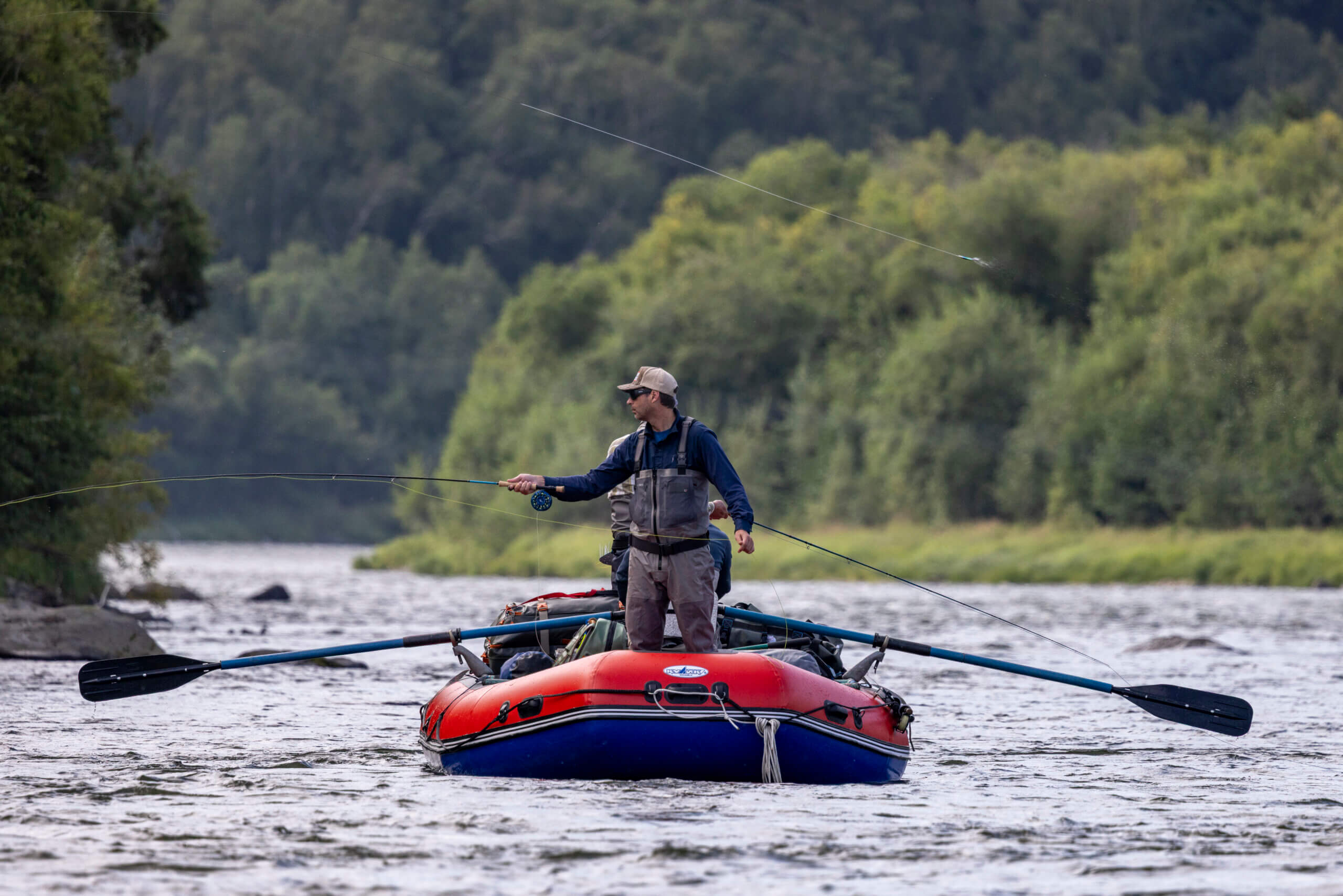
The fishing is not limited to one technique. Large streamers and mouse patterns are productive throughout the season. The rainbows will often attack a swung fly or a substantial streamer with startling aggression. At other times, they come to the surface for skated mouse patterns, creating some of the most memorable visual fishing imaginable.
There is also a window for traditional dry-fly fishing, particularly during the stronger mayfly and caddis activity in July. The Zhupanova is one of the few places where an angler has a realistic chance of catching a very large, native river rainbow on a caddis pattern.
The river is also home to the remarkable super kundzha, a sea-run form of Siberian white-spotted char. These powerful fish enter the Zhupanova from the Pacific beginning toward the end of July, with the strongest opportunity generally occurring in late July and early August. They are a rare and impressive sport fish, often reaching 26 to 28 inches, with exceptional specimens approaching a yard in length. They take flies aggressively and fight with tremendous power.
Dolly Varden are present in good numbers, generally in the 12- to 18-inch range, and readily take dry flies. Salmon also enter the river as summer progresses. Chum and sockeye are part of the August season, followed by silver salmon later in August and into September.
The Float and River Camps
This is not a conventional wilderness float where anglers and guides pack up camp every morning and rebuild it at the end of the day.
The Zhupanova float is organized around a series of six established riverside camps. Each day, you fish downstream through a new section of water before arriving at the next camp. At the end of the day, you can put away your fishing gear, take a hot shower, enjoy a good meal, and settle in for the evening.
The camps have their own character. Depending on the location, accommodations include permanent wooden cabins or well-equipped modern tents with beds and mattresses. Facilities include hot showers, flush toilets, and a comfortable dining area. Experienced Russian and American guides and camp staff take care of the daily logistics, leaving you free to concentrate on the fishing.
There is something special about finishing a day on a remote Kamchatka river, sitting around a campfire, and talking through the day's fishing with your guides and fellow anglers. The camps are an important part of what makes this float different.
When to Go: The Seasons
One of the remarkable things about the Zhupanova is that the size and quality of its resident rainbow trout fishing are not tied to a narrow seasonal window. Large rainbows are available throughout the summer. The best time to visit depends more on the weather you prefer, the fishing techniques you enjoy, and whether you want to target the river's other species.
July — Summer and Dry-Fly Opportunities
July is generally the warmest month in Kamchatka, with daytime temperatures often reaching the 60s and 70s, and occasionally higher. Weather is typically more settled than later in the season, although rain and cooler days are always possible.
Mouse and streamer fishing remain productive throughout the month. July also offers the strongest opportunity for traditional dry-fly fishing, as mayfly and caddis activity is generally at its best. There are few places where a large, native rainbow trout can be so willing to take a caddis pattern.
Sea-run Dolly Varden begin appearing toward the end of the month, and the first super kundzha arrive from the Pacific around the final week of July. Mosquitoes can be more noticeable during July, so anglers who prefer cooler weather and fewer insects may want to consider August or September.
August — The Heart of the Season
August is the middle of the Kamchatka summer and a particularly exciting time on the Zhupanova.
Rainbow trout continue to respond to mouse patterns and large streamers. The first half of August is generally the prime period for targeting super kundzha, as these powerful sea-run char move into the river.
Chum and sockeye salmon enter the system, adding another dimension to the river and its wildlife. By the middle of the month, mosquitoes, black flies, and no-see-ums have usually diminished considerably. The weather begins to take on a more autumnal character, with cooler temperatures and increasingly crisp evenings.
September — Autumn in Kamchatka
September brings the beginning of fall. Daytime temperatures are often in the 50s, and clear, sunny days can be spectacular. Nights are cold, sometimes with frost.
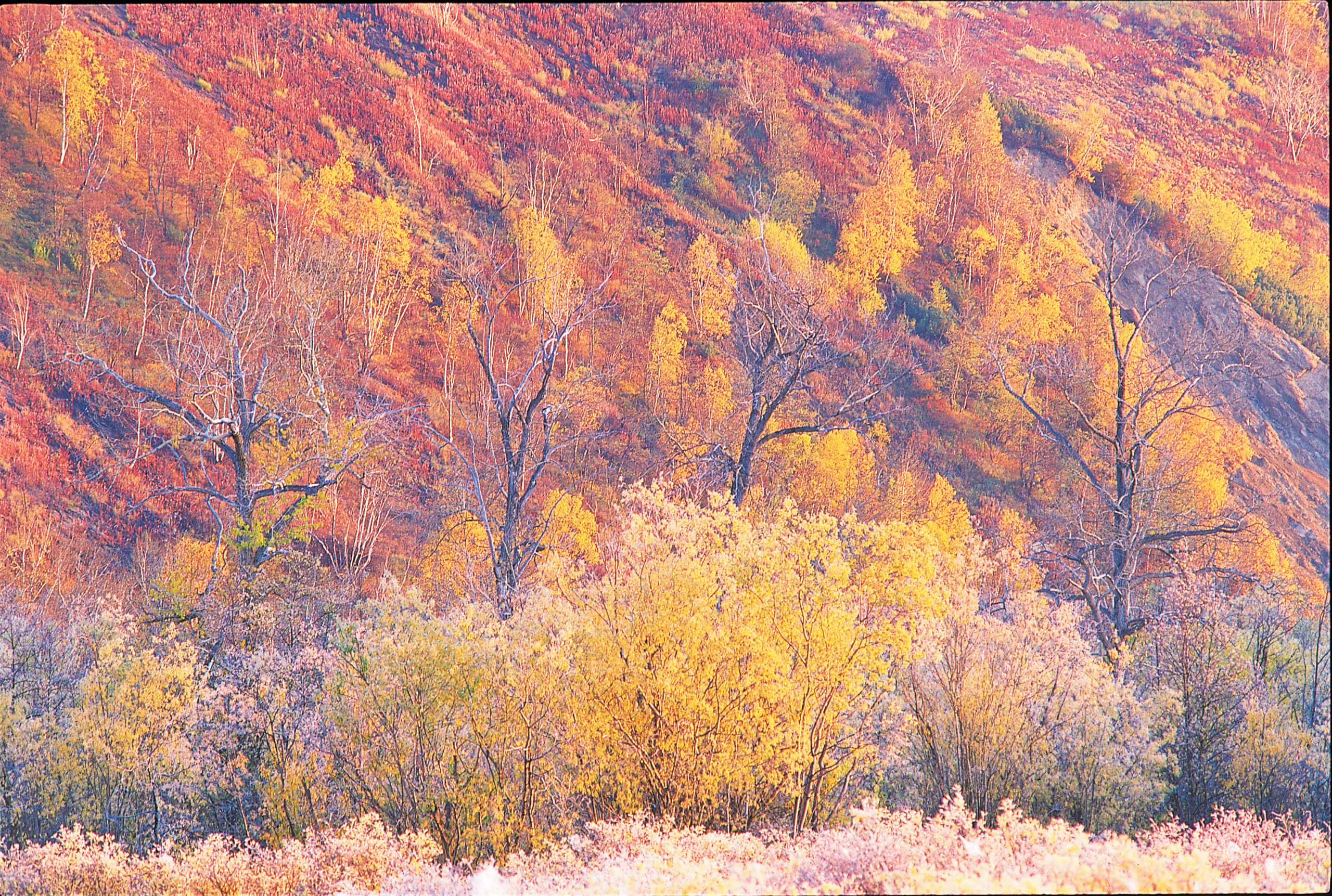
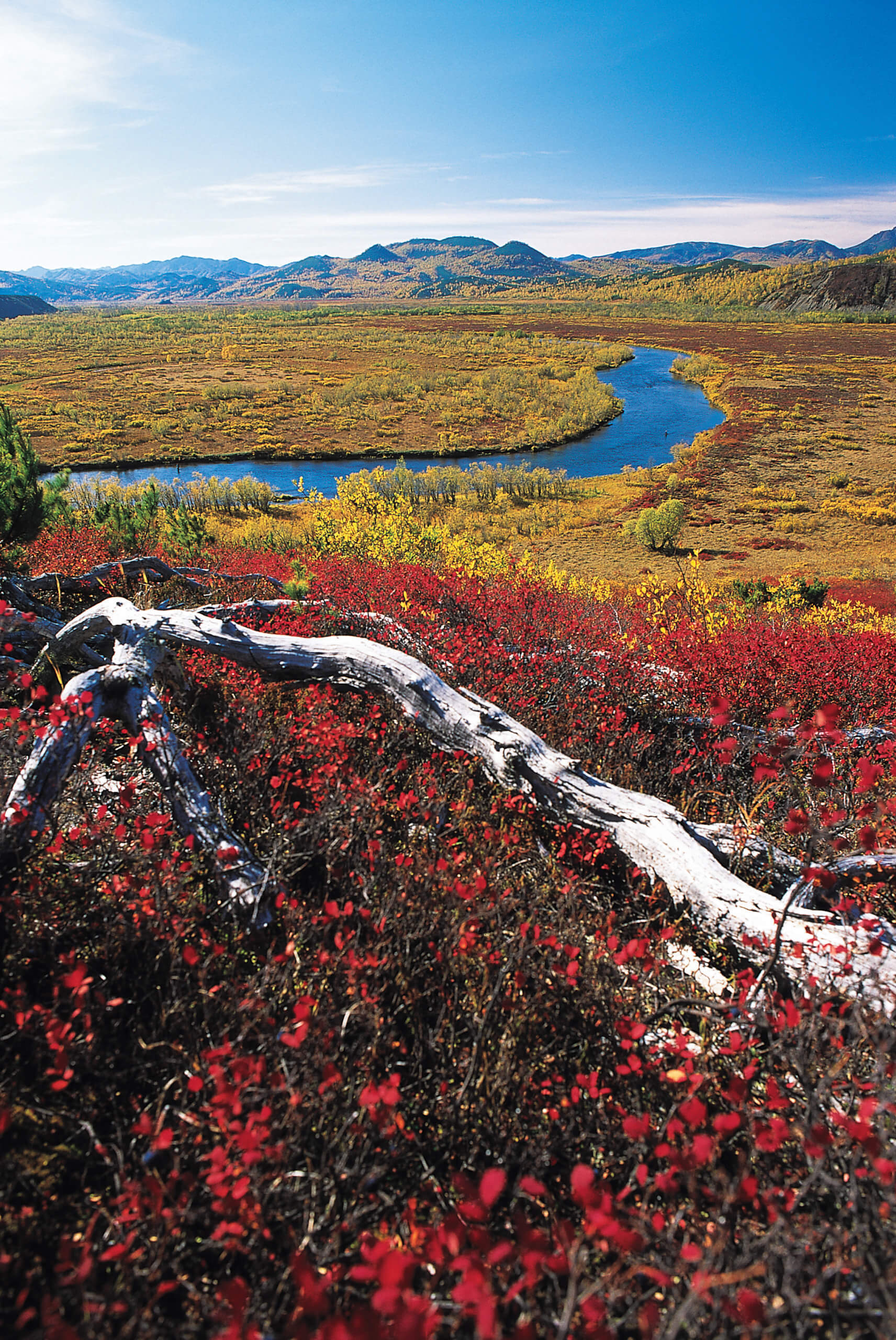
For many anglers and photographers, September is the most beautiful time to be in Kamchatka. The tundra and subarctic forests turn brilliant shades of yellow, orange, and red, set against snow-covered mountains and volcanic peaks.
Rainbow trout continue to take surface-skated flies and mouse patterns, while large leeches and baitfish imitations fished on sink-tip lines become increasingly important as water temperatures fall. Silver salmon are also present during this period.
Getting There
The Zhupanova is remote and has no road access. The expedition begins with a helicopter flight from Petropavlovsk, Kamchatka's principal city, to the upper river. At the conclusion of the float, another helicopter transfer returns the group to the city.
The helicopter access is an essential part of the experience, allowing anglers to reach a wilderness river that would otherwise be extremely difficult to access. Once on the water, the focus shifts to fishing: covering new water each day, exploring the river's different character, and making the most of time on one of Kamchatka's finest fisheries.
Why Fish the Zhupanova?
- Exceptional wild rainbow trout. A population of large, native fish, with trout in the 24- to 28-inch range common and fish exceeding 30 inches encountered regularly.
- A remarkable variety of fishing. Mouse patterns, large streamers, swung flies, and opportunities for dry-fly fishing.
- A rare sea-run char fishery. The super kundzha is one of the Zhupanova's great attractions and a species that few anglers ever have the opportunity to target.
- A true wilderness float. Approximately 48 miles of remote river, with a new stretch to fish each day and very little outside pressure.
- Comfortable riverside camps. Six established camps make it possible to experience a multi-day wilderness float without having to break down and rebuild camp every day.
- A remarkable setting. Volcanoes, mountains, tundra, forest, and abundant wildlife accompany the fishing from beginning to end.
The Zhupanova is a historic Kamchatka fishery, but it is far more than a famous name. It remains a place where an angler can encounter exceptionally large wild rainbows, fish a variety of techniques, and spend a week immersed in a remarkable wilderness.
For anglers whose ambitions extend beyond simply catching trout, the Zhupanova deserves serious consideration.




 Reload document
 Open in new tab
